The Magic of the Mist: Gorilla Trekking in Rwanda
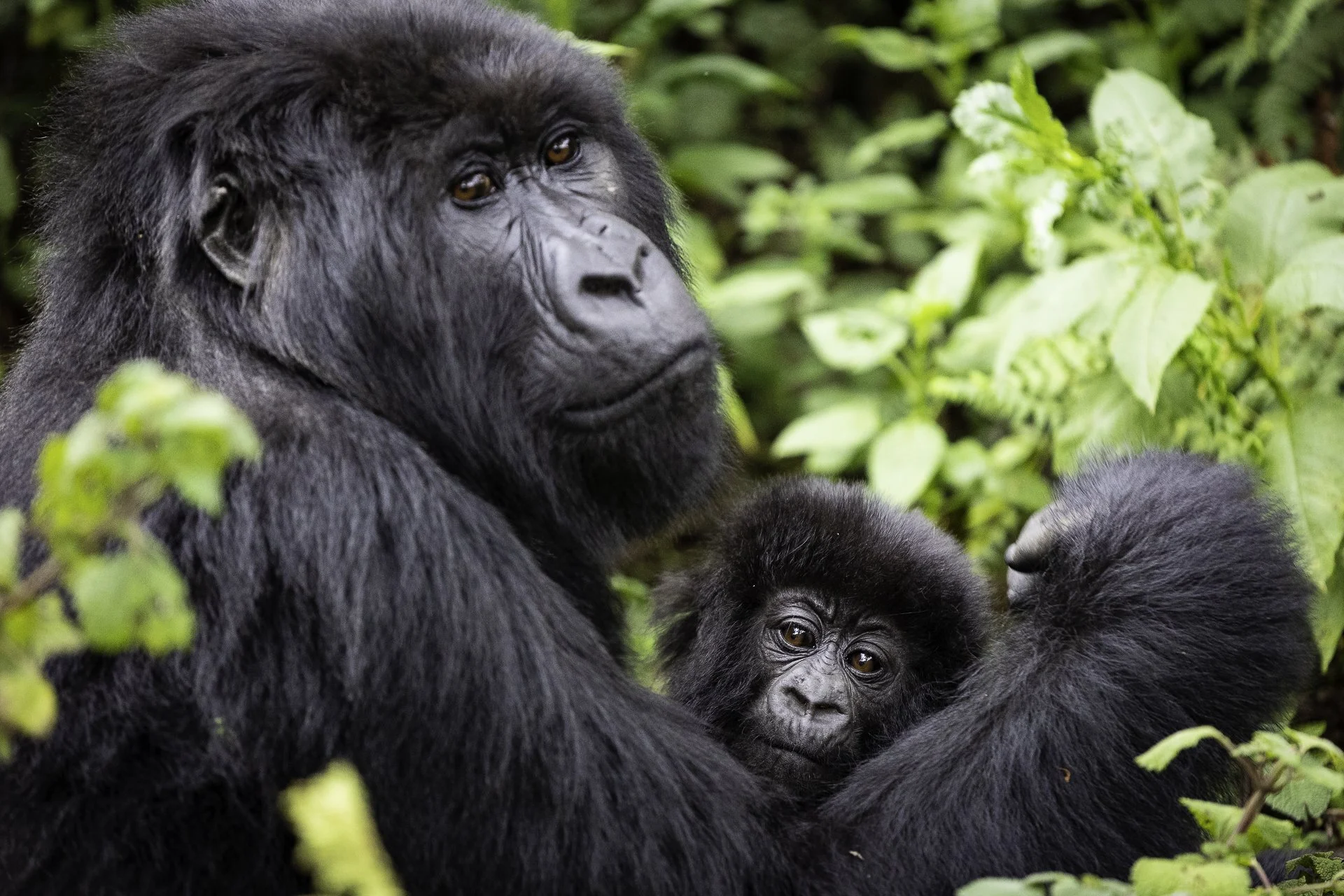
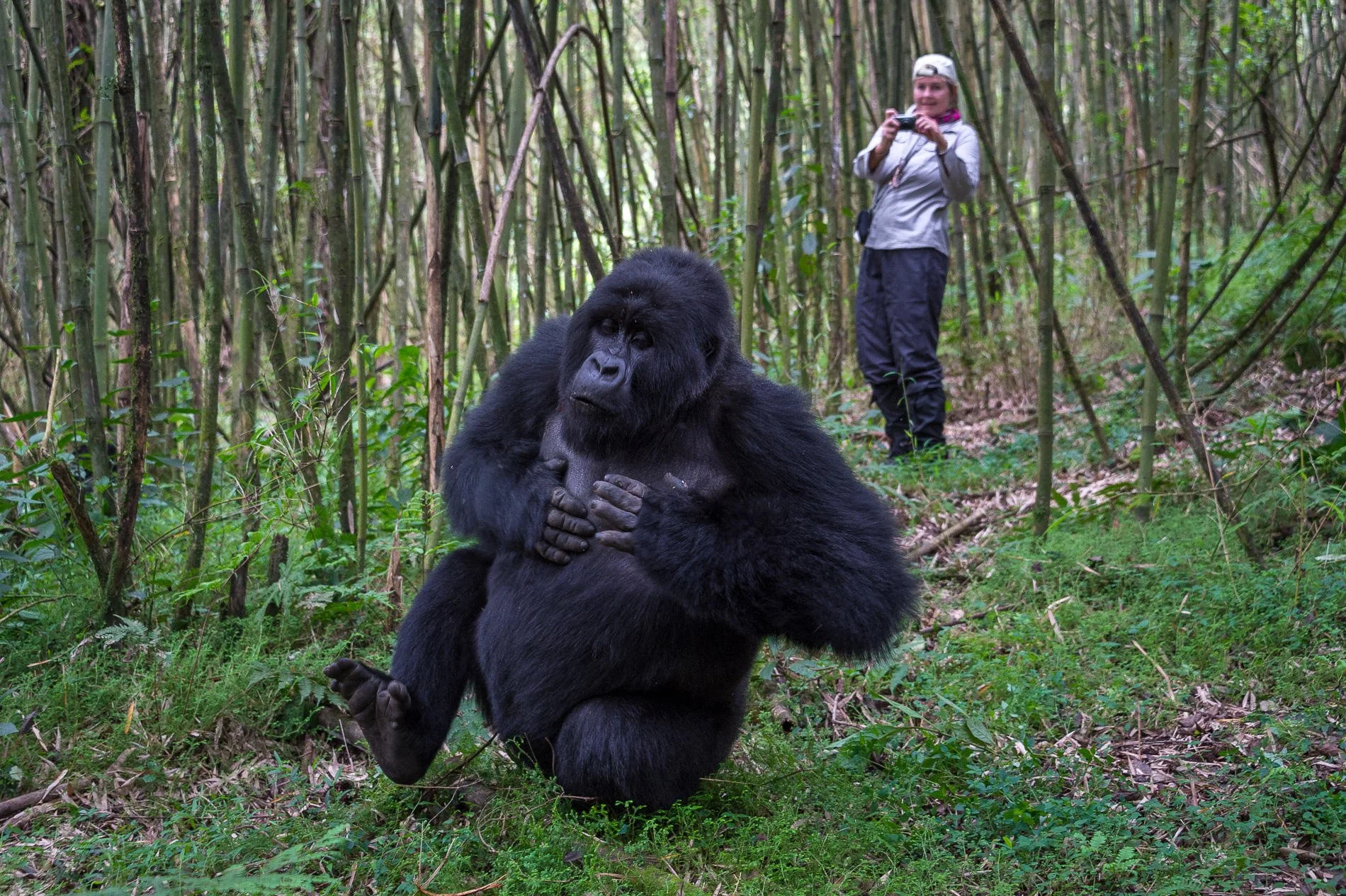
There is no wildlife encounter on earth quite like standing just a few feet from a Mountain Gorilla in the emerald forests of Volcanoes National Park. This ancient landscape is a global beacon of hope, representing one of the greatest conservation success stories in history. Once on the brink of extinction, the mountain gorilla population has steadily increased thanks to intensive protection and the dedication of the Rwanda Development Board (RDB)—the government authority managing the parks. Today, Rwanda is home to twelve habituated gorilla families, each a unique social group led by a dominant silverback.
How the Gorillas are Protected
The safety of these great apes is ensured through a "high-protection" model. Every gorilla family is monitored 24 hours a day by dedicated teams of trackers and anti-poaching officers. Your permit fee directly funds these efforts, supporting the rangers who live in the forest to safeguard the gorillas from snares and habitat loss. Furthermore, a portion of all tourism revenue is shared with the local communities, turning former poachers into the gorillas' fiercest protectors.
Overcoming the "Fitness Fear"
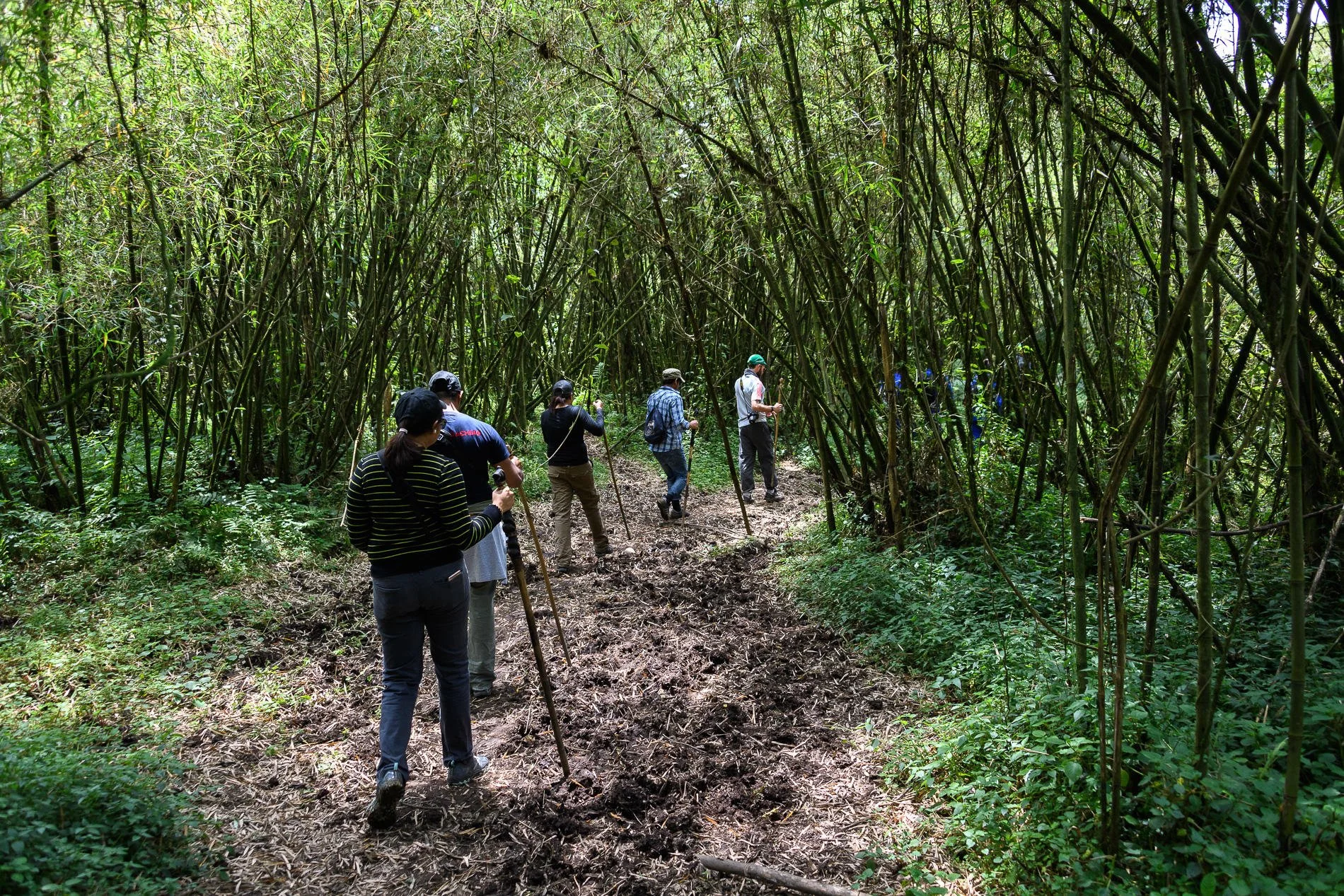
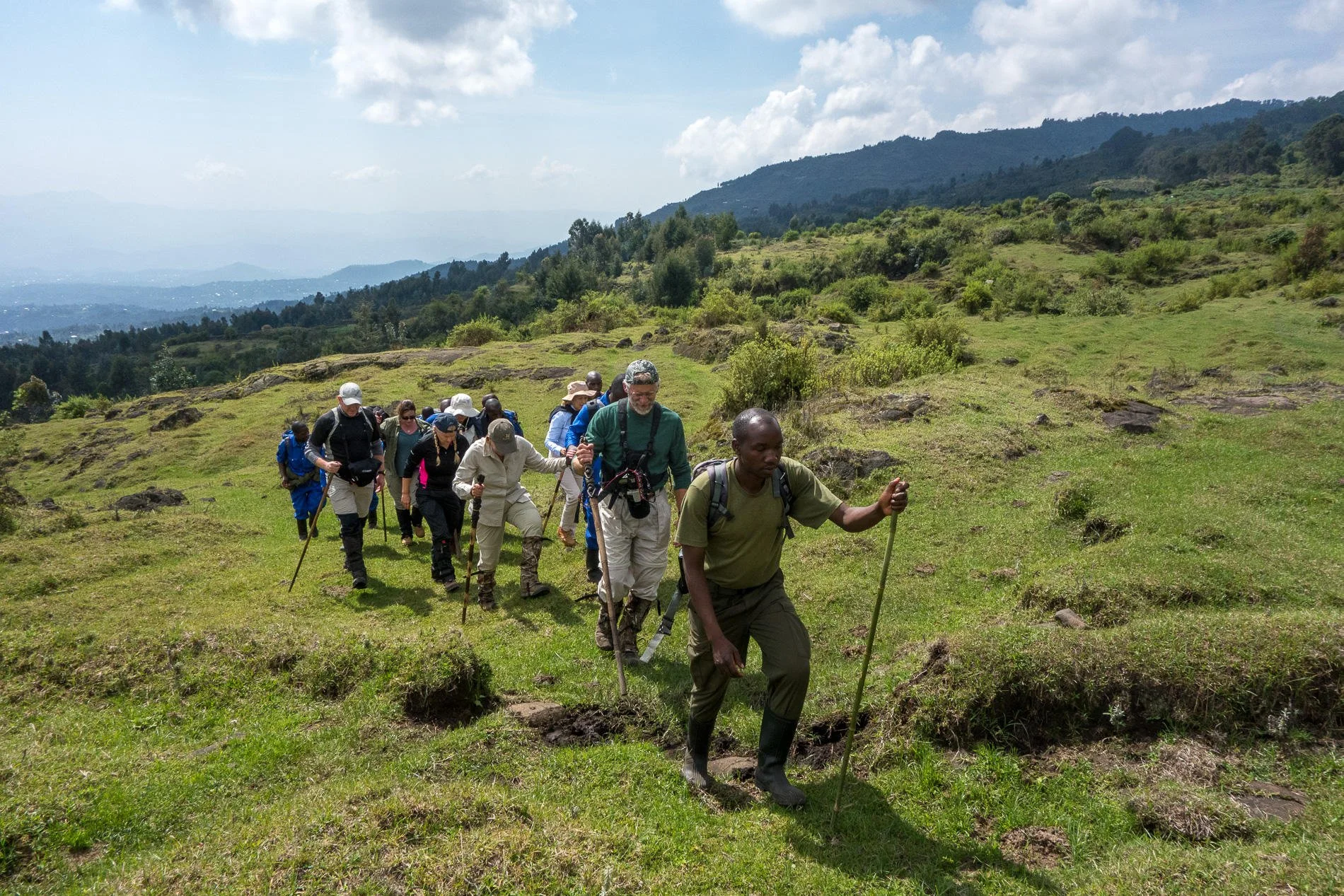
One of the most common questions we hear is, "Am I fit enough?" While the terrain is steep and can be muddy, the experience is remarkably accessible. Each morning at the Kinigi headquarters, the RDB carefully assigns groups of eight based on fitness levels. There are "easy," "medium," and "challenging" treks, and the rangers prioritize the comfort of the slowest walker. You are never rushed; the goal is the journey, not a race.
The Role of Your Porter and Guide
We highly recommend hiring a porter for a small fee. They are the unsung heroes of the mountains, providing a steady hand on slippery slopes and carrying your daypack so you can focus on the magic around you. Your RDB guides lead these treks with deep, intuitive knowledge of the forest, using vocalizations to ensure a calm, respectful encounter.

Preparation, Packing, and Climate
Volcanoes National Park sits at a high altitude of over 5,500 feet. The air is thinner and the temperature is generally quite cold, especially in the mornings. You can expect the weather to be changeable, shifting between rain and sunshine quickly. Proper preparation is key:
Sturdy, waterproof hiking boots with gaiters.
Thick gardening gloves (essential for grasping stinging nettles).
Long, thick trousers and a long-sleeved top to layer against the chill.
A waterproof jacket and at least one liter of bottled mineral water.
The Best Time to Visit
While trekking is a year-round activity, the dry seasons (June to September and December to February) offer the most stable hiking conditions.
Exceptional Accommodations
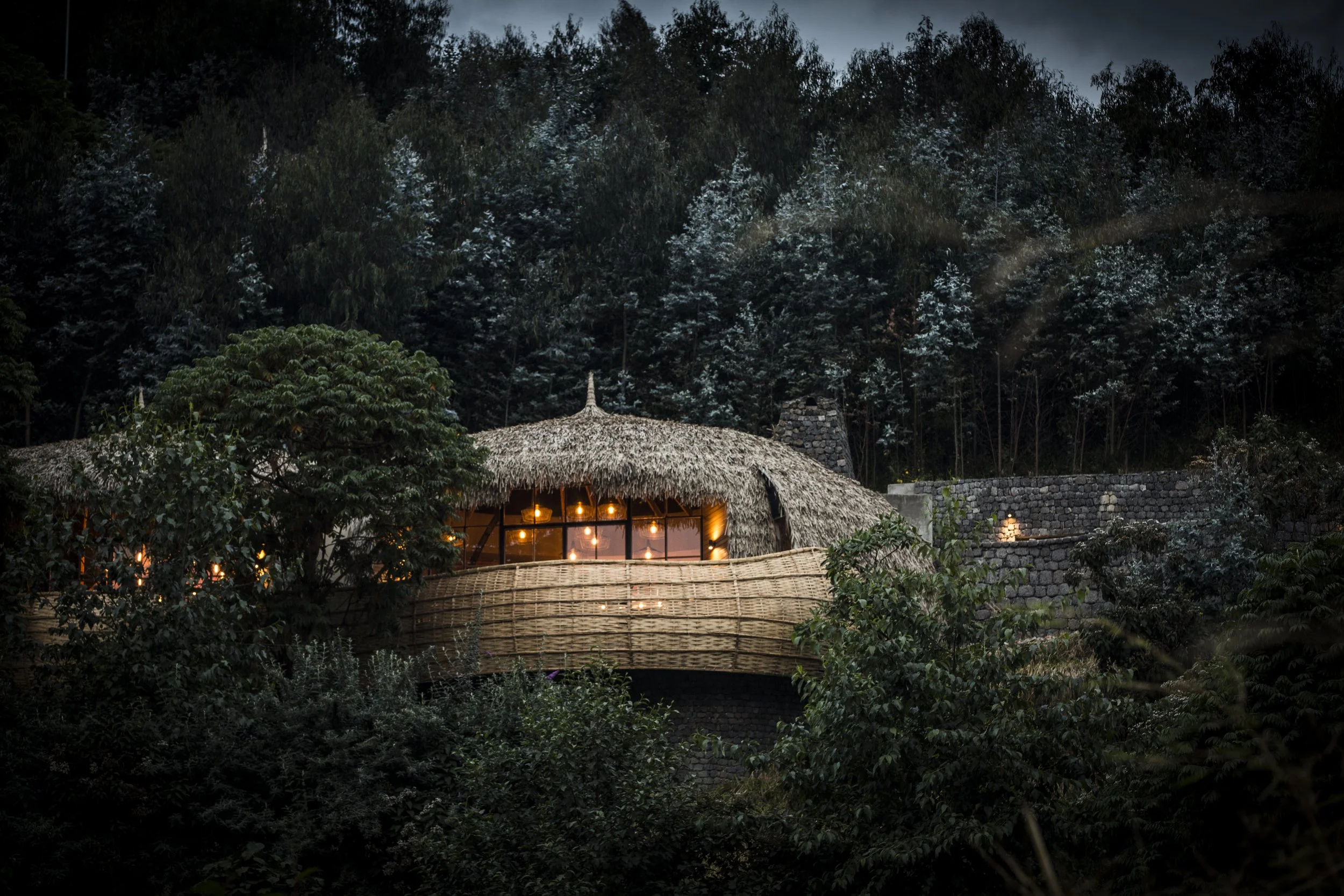
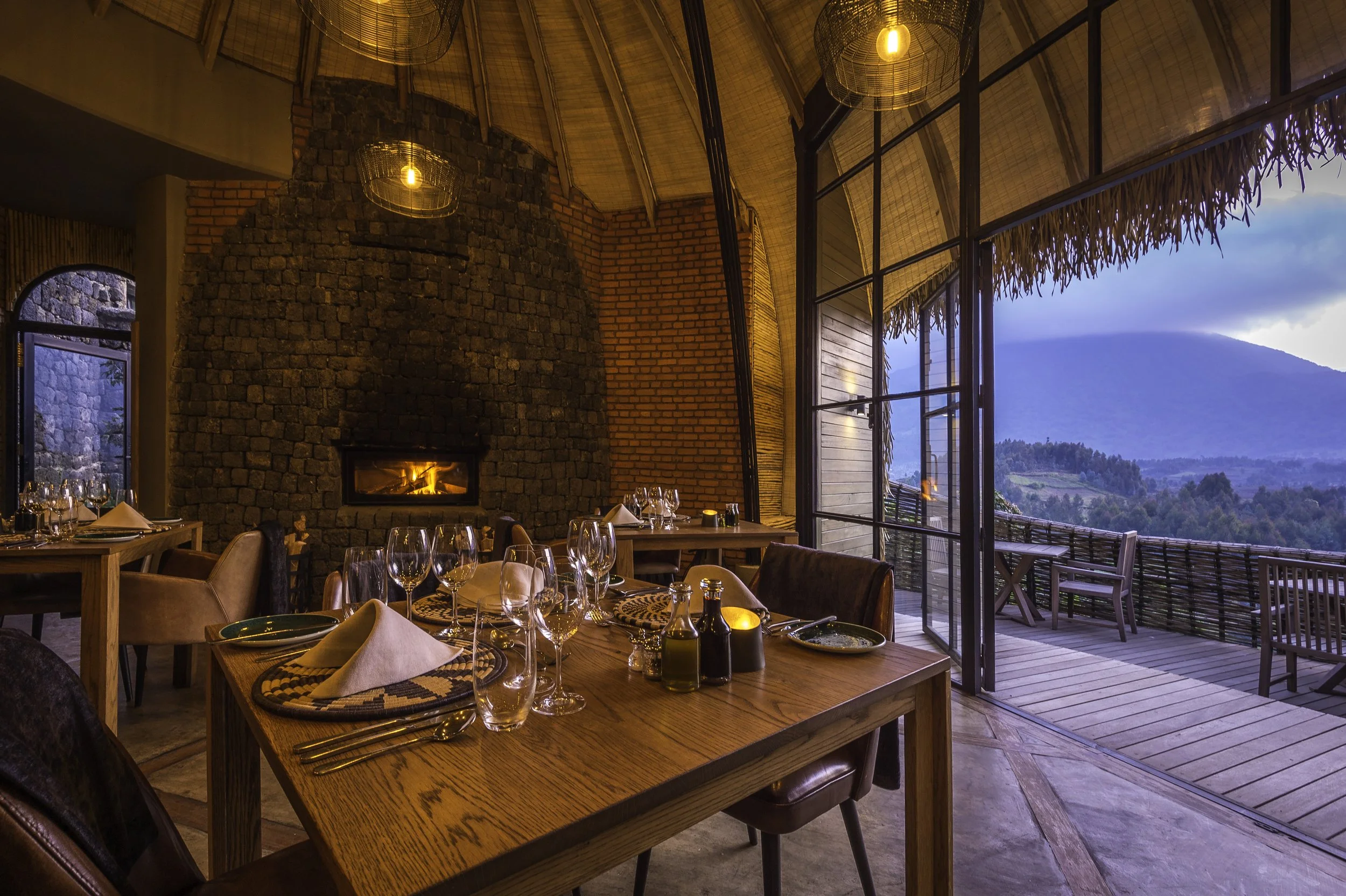
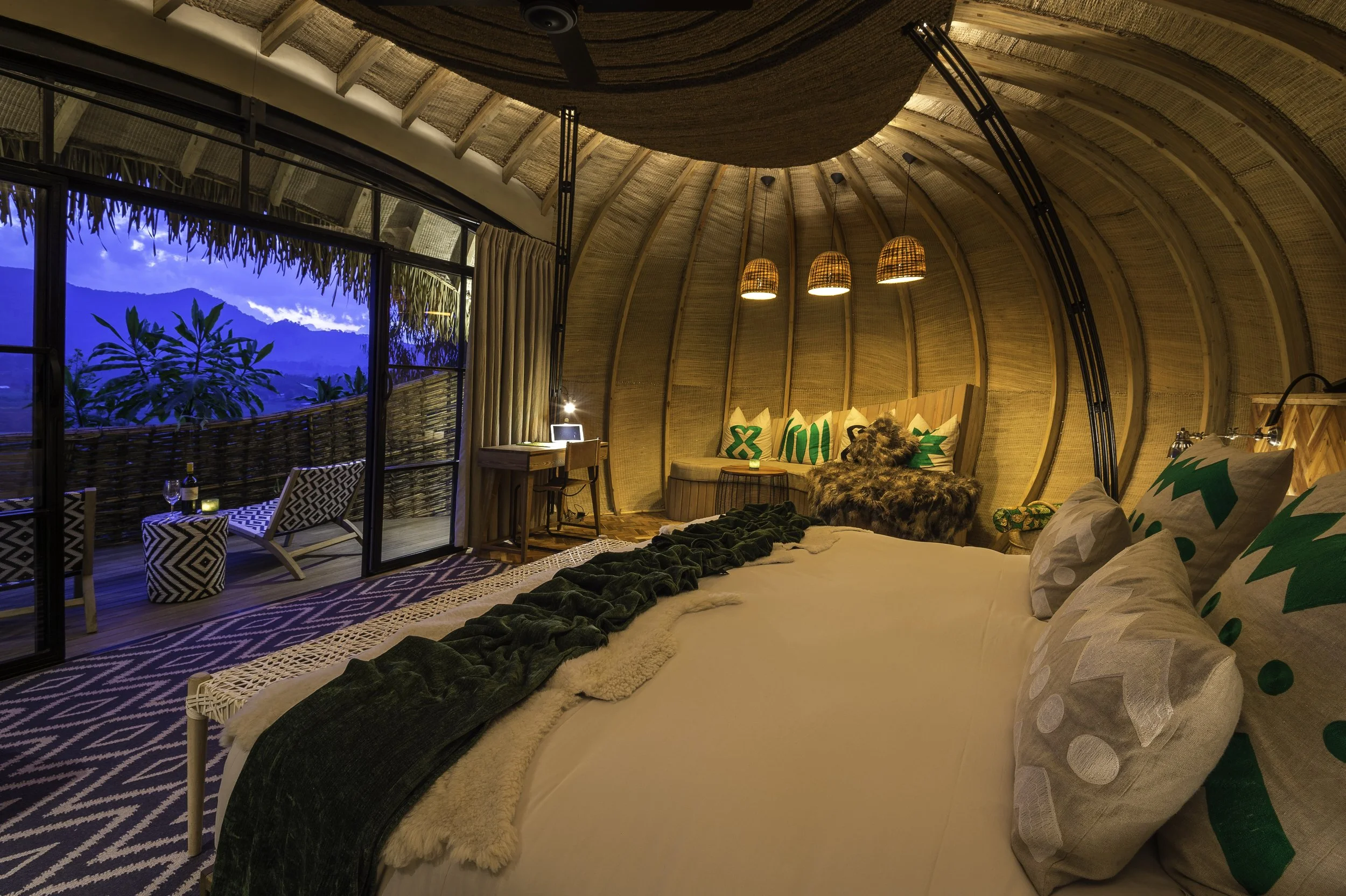
The area surrounding the park has seen a spectacular rise in world-class lodging, offering something for every style of traveler. For those seeking the pinnacle of luxury, iconic retreats like Wilderness Bisate, Singita Kwitonda, and One&Only Gorilla’s Nest offer architectural marvels nestled directly into the forest. More intimate, community-focused options like Sabyinyo Silverback Lodge and the panoramic Virunga Lodge provide stunning vistas of the twin lakes and volcanoes. For travelers seeking boutique comfort with excellent park access, Five Volcanoes and Mountain Gorilla View Lodge remain enduring favorites.
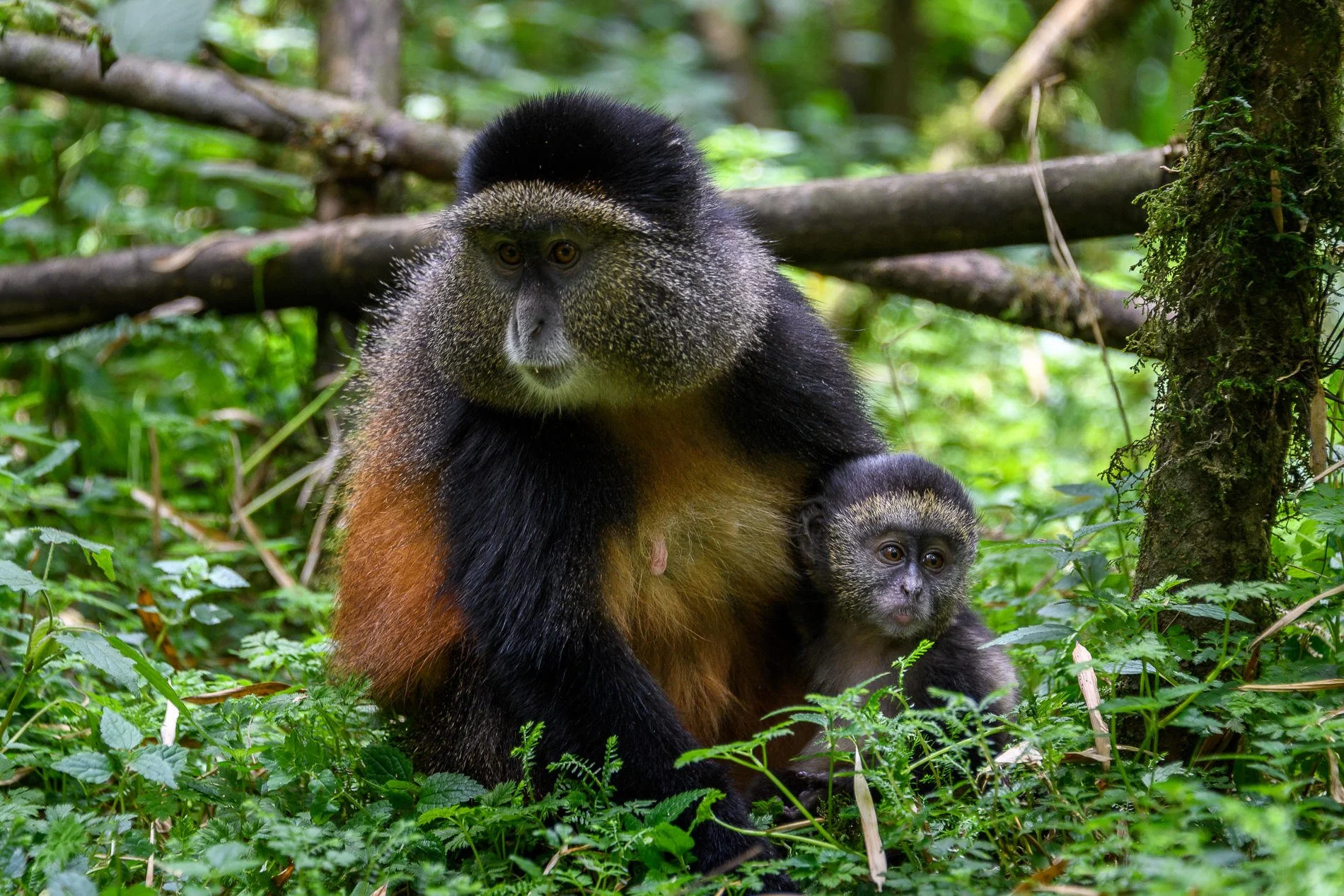
Pro Tip: Book a Golden Monkey trek ($100) for your first day. Since the monkeys stay in the lower bamboo forests, it is the perfect way to acclimatize the altitude and ease your legs into the rhythm of the forest before your gorilla encounter.